
The National Library and Archives Organizes a National Symposium in Celebration of the Golden Jubilee of the Unification of the Armed Forces
The National Library and Archives Organizes a National Symposium in Celebration of the Golden Jubilee of the Unification of the Armed Forces
In collaboration with the Ministry of Defence, the National Library and Archives (NLA) organized a national symposium titled “The Unification of the Armed Forces in the National Memory” to commemorate the Golden Jubilee of the UAE Armed Forces Unification. The symposium was held as part of the NLA role in documenting the nation’s history, preserving its national memory, highlighting pivotal milestones in the Union’s journey, and instilling the values of belonging and loyalty in future generations.
Hosted at Anwar Gargash Diplomatic Academy, the symposium opened with a documentary celebrating the unification of the Armed Forces, capturing its enduring legacy as a cornerstone of the nation’s history.
In his opening speech, His Excellency Dr. Abdullah Majid Al Ali emphasized that the decision to unify the Armed Forces was a historical step that contributed to consolidating the pillars of the Union and strengthening its foundations. He also highlighted the vital role of the Armed Forces in protecting the nation and safeguarding its achievements, noting that its high state of readiness and efficiency reflect the strategic vision of the wise leadership.
Furthermore, His Excellency expressed his gratitude to the wise leadership and to all ranks of the Armed Forces, who have shown the world the fortitude of the UAE and its profound capability to protect its land and national pride.
Staff Major General Saeed Salmeen Al Alawi, Commandant of the National Defence College and representative of the Ministry of Defence in the symposium, emphasized that the decision of the Armed Forces unification went far beyond a regulatory action. He underscored that it embodied the strategic vision of the late Sheikh Zayed bin Sultan Al Nahyan and his fellow brothers, Rulers of the Emirates, who realized that the foundation of the Union rested upon a unified military.
He noted that this vision continues to be instilled today under the leadership of His Highness Sheikh Mohamed bin Zayed Al Nahyan, President of the UAE. This is achieved by strengthening the readiness of the Armed Forces and upgrading their capabilities, enabling them to carry out their duties in defending the homeland and contributing to regional and international security and stability.
Serving as both moderator and speaker, Dr. Abdullatif Alsayyadi introduced the session’s speakers and emphasized that this year’s observance of the Armed Forces’ unification is of profound significance. Coinciding with the Golden Jubilee, the milestone underscores the powerful ascent of the UAE Armed Forces and their crucial role in deterring aggression with unmatched efficiency and exceptional professionalism. Showcasing capabilities that have garnered global admiration, the Armed Forces stand as an impenetrable shield and a stalwart fortress, steadfastly protecting the nation’s accomplishments.
Sheikh Faisal bin Sultan Al Qassimi praised the visionary foresight of the late Sheikh Zayed bin Sultan Al Nahyan regarding the significance of unifying the Armed Forces and traced the stages of their development from the pre-Union era to the present day.
He also affirmed that the decision to unify the Armed Forces, signed at Abu Mureikha in Abu Dhabi in 1976, was a pivotal milestone in state-building. He noted that the existing military formations across the Emirates were already prepared for integration into a unified force following the establishment of the United Arab Emirates.
Reflecting on the evolution of the Armed Forces since 1976, Staff Major General Saeed Salmeen Al Alawi highlighted the significant progress made in military doctrine, training, and armament. He emphasized that these continuous advancements have allowed the forces to align with international best practices and bolster their ability to protect the nation’s accomplishments, reflecting the strategic foresight of the wise leadership.
He also highlighted the integration of the Armed Forces’ role with the UAE’s diplomatic and humanitarian efforts, reviewing their participation in a number of humanitarian and relief missions across several countries, which reflects the nation’s approach of combining hard military power with soft power.
On the sidelines of the event, the National Library and Archives organized a photo exhibition documenting the key milestones in the establishment and development of the Armed Forces, alongside their national contributions and humanitarian roles.
The symposium shed light on important details surrounding the origins and evolution of the Armed Forces, their national and humanitarian roles, and the unification of the Armed Forces as one of the most significant historic achievements that contributed to consolidating the Union and advancing the development journey of the United Arab Emirates.

The National Library and Archives Celebrates UAE-Kuwaiti Relations Coinciding with “UAE and Kuwait: Brothers Forever” Week
The National Library and Archives Celebrates UAE-Kuwaiti Relations
Coinciding with “UAE and Kuwait: Brothers Forever” Week
In line with the directives of the wise leadership and on the occasion of “UAE and Kuwait: Brothers Forever” Week, the National Library and Archives (NLA) continues to celebrate the longstanding fraternal ties between the United Arab Emirates and the sisterly State of Kuwait. This is being marked through a wide range of cultural and educational initiatives that reflect the depth of the historical, social, and diplomatic bonds between the two nations.
The celebration program includes a seminar on UAE-Kuwaiti social relations throughout history, marking the launch of the NLA’s 2026 cultural season. It also features a series of historical photo exhibitions documenting the trajectory of bilateral relations, as well as educational workshops and specialized lectures in Abu Dhabi schools and at ceremonial events.
The National Library and Archives is also publishing a documentary book titled: “UAE and Kuwait: A Nation’s Memory and Fraternal Relations.” The book documents bright milestones in the history of these strong ties, showcasing selected archival photos, documents, and testimonies that reflect decades of cooperation and integration between the two brotherly peoples.
The NLA’s activities within the week (running from January 29 to February 4, 2026) kicked off with a seminar titled “UAE-Kuwaiti Social Relations” held at the NLA headquarters. The seminar addressed the roots of social and fraternal relations and factors contributing to their growth. It underscored Kuwait’s pivotal role in supporting the UAE’s development journey prior to the Union, particularly in health and education. It also shed light on the UAE’s supportive stances toward Kuwait during various crises, which reinforced the solidity of the relationship.
Participants emphasized that UAE-Kuwaiti relations represent a steadfast model of authentic Gulf brotherhood, forged in a shared social and cultural environment and solidified by values of cohesion and a common destiny.
In parallel, the National Library and Archives (NLA) is organizing photo and document exhibitions across several prominent locations including the VIP Lounge at Zayed International Airport (Departures), the outdoor plaza of the Sheikh Zayed Festival in Al-Wathba, as well as Galleria Mall and the Mubadala Tower, in cooperation with Mubadala. The NLA is also enriching the Arabian Gulf Digital Archive (AGDA) through a virtual photo exhibition. These exhibitions collectively feature photographs documenting meetings between the late Sheikh Zayed bin Sultan Al Nahyan and the late Emirs of the State of Kuwait: Sheikh Sabah Al-Salem Al-Sabah, Sheikh Jaber Al-Ahmad Al-Sabah, and Sheikh Sabah Al-Ahmad Al-Jaber Al-Sabah. They affirm the depth and continuous development of the ever-growing bilateral relations across all areas.
This narrative of fraternity was further extended to the 2026 Cairo International Book Fair, where a special supplement of the NLA’s Al-Maqta’ magazine titled “UAE and Kuwait: A Timeless Tale of Brotherhood” was distributed to a wide audience.
As part of the “UAE and Kuwait, Brothers Forever” week, the NLA has organized a series of art workshops and awareness lectures under the same theme. These activities were hosted by a number of schools, including Al-Manara Private School, Al-Taweela School, Al-Asala School, Emirates National and ADNOC schools, in addition to other schools and several kindergartens.
These sessions aim to educate younger generations about the deep-rooted bilateral relations between the UAE and Kuwait, highlighting Kuwait’s historical role in supporting the development of the UAE’s education and healthcare sectors, as well as its contributions to the media and cultural fields. They also underscore the UAE’s longstanding fraternal support and the sustainability of economic and trade cooperation between the two countries.
Moreover, specialized programs were organized under the Supreme Council for Motherhood and Childhood initiative to instill in younger generations the values of brotherhood and a shared historical legacy.
The NLA has also launched a media campaign across its official social platforms, highlighting selected photographs, films, and historical documents that reflect the depth of UAE–Kuwait relations. This campaign allows the public to interact and engage, further strengthening the awareness of a shared history and the bonds of brotherhood between the two peoples.
The National Library and Archives Showcases Its Contribution to Support Scientific Research at Cairo International Book Fair 2026
Highlighting its Duty and Role in Affirming Rights and Preserving the Memory of the Nation,
The National Library and Archives Showcases Its Contribution to Support Scientific Research at Cairo International Book Fair 2026
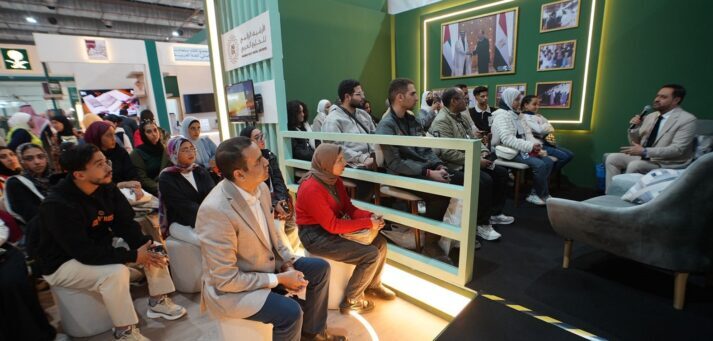
The UAE National Library and Archives (NLA) participated in the 57th edition of the Cairo International Book Fair with a cultural symposium titled “The National Library and Archives: A Hub for Historical Research Movement in the UAE.” Held at its pavilion, the symposium highlighted the NLA’s pioneering role in supporting scientific research and serving researchers both within the UAE and internationally. This participation reflects its national and intellectual mission to preserve the memory of the nation and safeguard its history.
The symposium, presented by expert Dr. Abdullatif Al Sayyadi, affirmed that the National Library and Archives houses a unique wealth of historical and intellectual materials, including millions of documents and rare materials that document various aspects of political, social, economic and cultural life in the UAE and the Gulf region, dating from the sixteenth century to the modern era. These materials are preserved according to the latest scientific and technical standards and are also digitized and made accessible online to ensure their sustainability and ease of access.
Dr. Al Sayyadi explained that the NLA provides researchers with a wide range of historical sources in various languages including English, French, Portuguese, and Dutch. He Also affirmed that historical documents represent an authentic and reliable source of information, possessing high scientific and evidentiary value.
He indicated that these documents have contributed to supporting several cases currently pending before international arbitration and judicial forums. Serving as decisive evidence, they reinforce one party’s position in the dispute and help affirm rights and national sovereignty over the disputed territories.
The symposium also highlighted the NLA’s ongoing efforts to preserve the memory of the nation through the implementation of specialized projects aimed at acquiring governmental and personal documents, restoring and digitizing them. These efforts further extend to safeguarding the country’s cultural and national heritage and to active engagement in international institutions and organizations.
Dr. Al Sayyadi also stated that, under the Federal Law No. (13) of 2021, the National Library was integrated under the umbrella of the National Archives, becoming a comprehensive national reference and a leading cultural and informational centre. It is dedicated to preserving the intellectual and cultural heritage of the UAE and supporting research and knowledge, reflecting the UAE’s prominent role and leadership in safeguarding the memory and shaping the future.
In Partnership with the National Library and Archives, UAE Embassy in Cairo Convenes Specialized Seminar on AI’s Role in Modern Reading
In Partnership with the National Library and Archives, UAE Embassy in Cairo Convenes Specialized Seminar on AI’s Role in Modern Reading
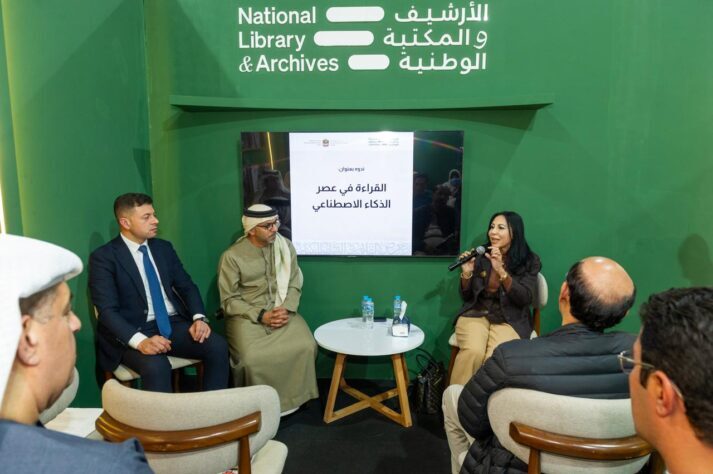
The Embassy of the United Arab Emirates in Cairo, in collaboration with the National Library and Archives (NLA), organized a seminar titled “Reading in the Age of Artificial Intelligence” on the sidelines of the 57th edition of the Cairo International Book Fair.
The seminar, held on the NLA platform at the Cairo International Book Fair 2026, featured His Excellency Ambassador Hamad Obaid Al Zaabi, Ambassador of the UAE to Egypt and Permanent Representative to the League of Arab States and children’s literature writer Samah Abou Bakr Ezzat. The event was moderated by Dr. Hussein Hosny, broadcaster at Alghad TV and drew a large audience of intellectuals, media professionals, and fair visitors.
In his opening remarks, His Excellency Ambassador Hamad Obaid Al Zaabi expressed his pleasure at participating in the seminar “Reading in the Age of Artificial Intelligence,” noting that it addresses a topic that brings together the depth of cultural heritage and the rapid pace of contemporary technological transformation. He also emphasized the deep-rooted fraternal and historical ties between the United Arab Emirates and the Arab Republic of Egypt in the cultural and knowledge spheres.
H.E. Al Zaabi affiremed that reading has, throughout history, constituted the cornerstone of building an informed and conscious individual, remaining the foremost means of acquiring knowledge and developing thought. He noted that while technology has transformed access to information, it cannot replace conscious reading or the human intellect, but instead complements them by enriching knowledge and widening its scope when properly employed.
He described Egypt as a “beacon of knowledge,” affirming that the UAE’s participation in the Cairo International Book Fair is a celebration of a long history of cooperation, as Egypt plays a major and inspiring role in publishing and reading movements in the region. He stressed that culture remains the strongest bridge connecting peoples in the face of the challenges posed by algorithms and artificial intelligence.
The Ambassador reviewed the UAE’s pioneering model in institutionalizing knowledge, referring to the National Reading Law of 2016, which is considered the first legislation aimed at instilling reading as a daily habit. He also highlighted the designation of March each year as Reading Month to engage all segments of society in tangible intellectual activities. In addition, he shed light on the Arab Reading Challenge initiative launched by His Highness Sheikh Mohammed bin Rashid Al Maktoum, praising Egyptian students who consistently top participation in this civilizational challenge.
Al Zaabi affirmed that the UAE does not view technology as an obstacle, but rather as a goal to be harnessed across all fields. He called on youth to use artificial intelligence tools for research and summarizing references, while not losing sight of the fact that “the human being is the center”. He reiterated that technology may write a text, but it will never possess the “wonder of discovery” or the emotional impact that words create in the reader’s soul.
He explained that the UAE supports “cultural digital transformation” through electronic platforms and smart libraries, based on the leadership’s vision that believes knowledge is a pillar of sustainable development, while fully preserving national identity and authentic values, in order to consolidate the country’s position as a global hub for cultural innovation.
The Ambassador concluded his speech by recalling a quote by the founding father, Sheikh Zayed bin Sultan Al Nahyan (may his soul rest in peace): “The book is the vessel of knowledge and civilization, and nations are not measured by their material wealth alone, but by the authenticity of their civilization.” He extended his appreciation to the pioneers and participants of the Cairo International Book Fair and invited the public to visit the UAE pavilions to explore the latest intellectual productions.
His Excellency also praised the National Library and Archives for its interest in enriching knowledge societies, for which purposeful reading is the cornerstone. He noted that the content of its publications aligns with this approach by providing accurate information to readers, valuable and authentic thought, and biographies of national and humanitarian figures that embody ideal role models for generations.
For her part, writer Samah Abou Bakr Ezzat said that reading is the true passport for a child’s mind toward the future, noting that books remain the safest companion for shaping a child’s emotional world and protecting it from the distractions of the virtual world.
She added that entering the age of artificial intelligence does not mean abandoning the printed book; rather, it requires developing tools to attract the “iPad generation.” She emphasized that artificial intelligence is a means that lacks the “emotional sincerity” an author instills in a text, which makes the human touch in children’s literature irreplaceable by rigid algorithms. She also stressed the need for a “smart balance” that makes technology a servant of reading, not a substitute for it.
Dr. Hussein Hosny of Alghad TV observed that while technology moves at a breakneck pace, reading remains our “unfailing compass.” He emphasized that even as screens dominate our attention, the book remains the most authentic voice in a noisy world.
During his moderation of the seminar, he affirmed that the United Arab Emirates has presented an inspiring model by making culture a way of life and reading a mission. He pointed that since its founding by Sheikh Zayed bin Sultan Al Nahyan (may his soul rest in peace), the UAE has believed that nations are not built by machines alone, but by the mind, the written word, and awareness, and that culture is not a luxury, but a protection of identity and an elevation of the human being.
He further noted that the UAE’s cultural evolution has reached new heights under President His Highness Sheikh Mohamed bin Zayed Al Nahyan, where reading is treated as a strategic civilizational policy. By prioritizing the human mind and its capacity to shape the future, the UAE embodies the timeless wisdom of its founder, Sheikh Zayed: “Knowledge is wealth, and we build the future on a scientific foundation.”
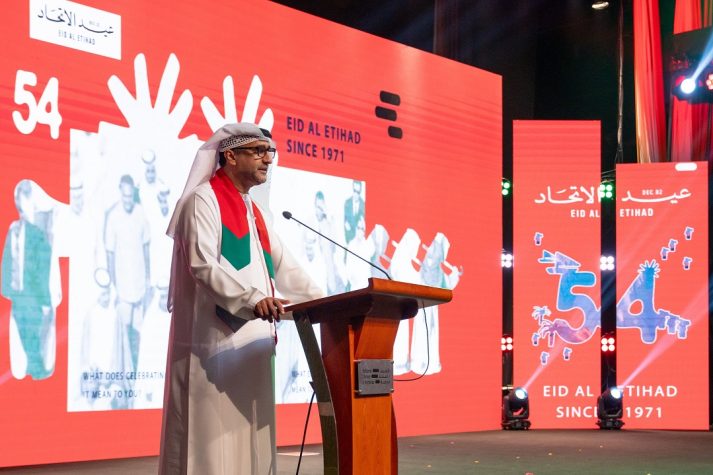
The National Library and Archives Celebrates the 54th UAE National Day
With Traditional and Entertaining Activities and Decorations,
The National Library and Archives Celebrates the 54th UAE National Day
To commemorate the 54th UAE National Day, the National Library and Archives celebrated with a vibrant program of traditional and patriotic activities that embodied the spirit of the nation. The event welcomed staff and visitors, creating an atmosphere brimming with pride, unity, and honour.
On this occasion, His Excellency Dr. Abdullah Majid Al Ali, Director General of the National Library and Archives, affirmed that Union Day (Eid Al-Etihad) is a timeless milestone in the UAE’s national memory. It embodies the values of pride and joy and renews the spirit of belonging and giving. He noted that this day reflects the unity of hearts, bound by a sincere resolve to forge a proud and powerful nation.
His Excellency added that the anniversary of the Union recalls the historic moment when the late Sheikh Zayed bin Sultan Al Nahyan, along with his fellow Rulers of the Emirates, set in motion the story of the Emirati glory. From that day forward, a pioneering civilizational renaissance has propelled the nation into the ranks of the world’s most advanced countries, offering a development model for others to follow.
He also emphasized that Union Day is a renewed national occasion that inspires generations with a spirit of challenge and creativity, encouraging them to continue building the nation’s legacy by following in the footsteps of leaders whose achievements amazed the world. His Excellency recalled the efforts and noble contributions of the founding fathers and praised the role of the wise leadership that has carried the journey forward with determination and resolve. This leadership has elevated the UAE to advanced standing across various indicators of progress and prosperity.
On behalf of the National Library and Archives, His Excellency extended his warmest congratulations and best wishes to the wise leadership and the people of the UAE on this cherished national occasion. He affirmed the National Library and Archives’ commitment to fulfilling its mission of preserving the memory of the nation and its rich heritage. He added that it remains dedicated to keeping pace with the country’s achievements and maintaining a valuable record that inspires generations and supports the journey of building the future.
The National Day festivities were marked by engaging and high-spirited performances that strengthened national belonging and loyalty to the leadership. The occasion generated an atmosphere of joy and profound pride. The program featured traditional Emirati performances of Al-Taghrooda and Al-Azzi, presented by the acclaimed artist Mohammed bin Aziz Al Shehhi. Young students from Al Dhabyaniyah Kindergarten and School also gave excellent, well-received performances of patriotic songs and music. In recognition of their creativity and to promote continued excellence, they were honoured by the National Library and Archives.
The headquarters of the National Library and Archives was adorned with celebratory decorations, chiefly the national flag and the number 54. Patriotic songs and music filled the air throughout the venue, while the traditional and entertaining activities received wide and enthusiastic engagement from attendees, adding a vibrant layer of joy to the celebration.
National Library and Archives and Abu Dhabi Agriculture and Food Safety Authority Organize a Joint Exhibition Reflecting Values of Tolerance and Human Coexistence
National Library and Archives and Abu Dhabi Agriculture and Food Safety Authority Organize a Joint Exhibition Reflecting Values of Tolerance and Human Coexistence
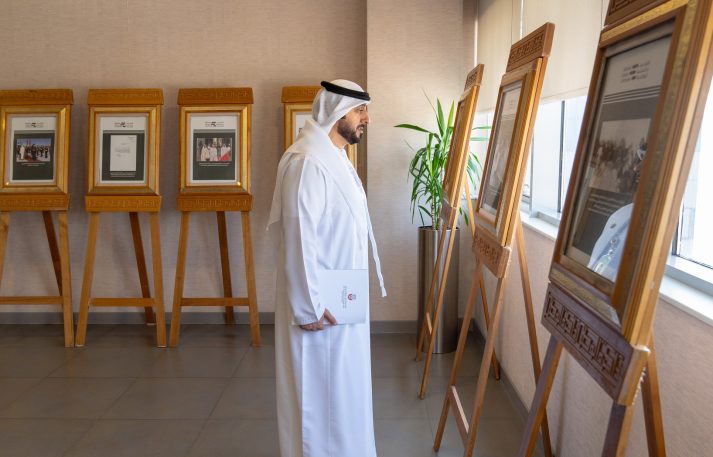
In cooperation with the Abu Dhabi Agriculture and Food Safety Authority, the National Library and Archives organized a joint exhibition that reflects the deeply rooted values of tolerance and human coexistence in the UAE, in conjunction with the International Day for Tolerance.
Held at the Authority’s headquarters, the exhibition featured a wide collection of historical photographs documenting the UAE’s longstanding commitment to fostering a culture of openness and mutual respect among members of the community, as part of both entities’ efforts to raise societal awareness of the values of coexistence and cultural diversity.
The organization of the exhibition was the result of close coordination between the tolerance committees of both entities, which collaborated to prepare documentary content showcasing enduring national and humanitarian stances. The event also underscored the vital role of government institutions in promoting a culture of tolerance and building bridges of communication across different segments of society.
Both entities emphasized that the event reflects the UAE’s steadfast approach to upholding the principles of tolerance and moderation and aligns with the vision of the UAE’s wise leadership in positioning the UAE as a global model of coexistence and peace. It further supports national initiatives aimed at strengthening social cohesion.
Representatives from the tolerance committees of both organizations attended the exhibition where they reviewed selected photographs illustrating the UAE’s rich history of initiatives that promote coexistence and reinforce the principles of human fraternity, solidifying the the UAE’s status as an international hub for tolerance.
At the conclusion of the event, the Abu Dhabi Agriculture and Food Safety Authority honored the members of the NLA’s Tolerance Committee in recognition of their collaborative efforts.
In a related context, the NLA and the Authority organized a joint event titled “Al Ghaf, A Symbol of Tolerance in the UAE Community.” The event concluded with the planting of a Ghaf tree in the garden of the NLA, symbolizing the tree’s significance as an emblem of tolerance and coexistence in Emirati society.
Earlier, a meeting was held at the NLA to enhance institutional partnerships and exchange expertise between the tolerance committees, during which best practices for promoting a culture of tolerance at both the institutional and community levels were reviewed.
The National Archives and Library’s Cultural Season Highlights the Historical and Civilizational Heritage of Liwa Oasis
The National Archives and Library’s Cultural Season Highlights the Historical and Civilizational Heritage of Liwa Oasis
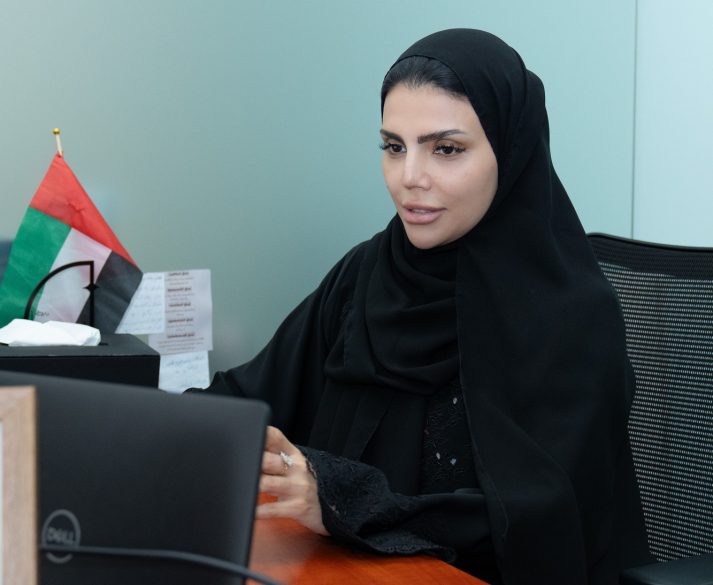
As part of its Cultural Season for 2025, the National Library and Archives organized a virtual seminar titled “Liwa… Land of the Golden Hills”, which explored the historical, cultural, and economic significance of Liwa Oasis as one of the most important oases in Al Dhafra Region and a historic home of the Bani Yas confederation.
In her opening speech, Mrs. Eman Al-Breiki, session moderator, emphasized Liwa’s importance as an economic hub, hosting some of major onshore oil and gas fields in the Emirate of Abu Dhabi, in addition to its historical value and its association with the Al Bu Falah family, including Al Nahyan. She also highlighted Liwa’s natural beauty, characterized by towering sand dunes and settlements, Mahadir, surrounded by fertile oases with fresh water.
The researcher Shareena Saeed Al Qubaisi, Head of the Oral History Unit, delivered a documentary presentation based on interviews with several local narrators. She explored the Qayez, summer harvest, journey and up to 130 of Liwa settlements, Mahadir, highlighting aspects of the social and economic life, the roles of men and women, and the late Sheikh Zayed bin Sultan Al Nahyan’s interest in cultivating Liwa.
Al Qubaisi also supported her presentation with photographs and detailed maps documenting Liwa’s historical sites, farms, Qayez caravans, and traditional activities.
Mr. Rashid Saeed Al Zaabi, a researcher from Trends Research and Advisory Center, presented a paper titled “Liwa: From Knowledge Dissemination to Knowledge Production”, which examined the oasis’s role in the knowledge economy, its cultural and heritage significance, and its contributions to food security and modern agricultural projects.
Al Zaabi highlighted the leadership vision for Liwa’s development, from Sheikh Zayed bin Sultan Al Nahyan’s agricultural initiatives to the ongoing efforts of H.H. Sheikh Mohamed bin Zayed Al Nahyan, President of the UAE, who continues the Founding Father’s legacy by supporting the agricultural sector and promoting its contribution to the national economy. He proposed four mechanisms to enhance Liwa’s role in the knowledge economy including heritage digitization, applications of artificial intelligence, production of global visual content, and promotion of collaboration between research and cultural institutions.
In conclusion, the National Library and Archives affirmed that Liwa will remain a historical oasis of a steadfast national, heritage, and economic significance and a key component of the UAE’s journey toward a knowledge-based economy.
The National Library and Archives Highlights Amendments to the Executive Regulations of Federal Law No. (7) of 2008
The National Library and Archives Highlights Amendments to the Executive Regulations of Federal Law No. (7) of 2008
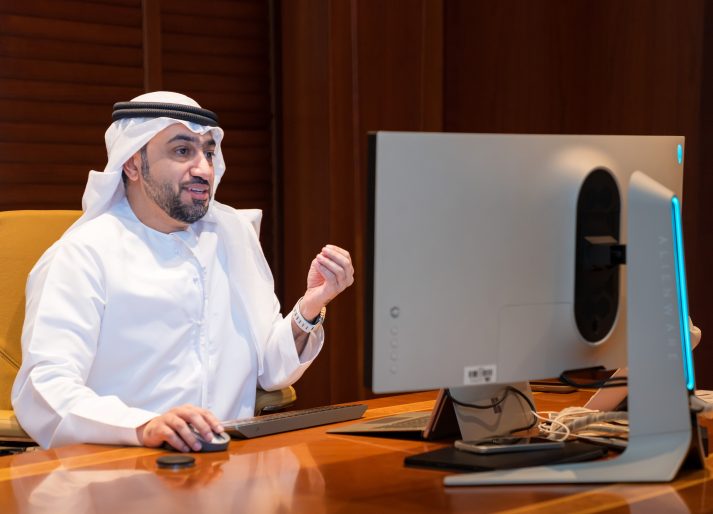
The National Library and Archives (NLA) organized a virtual seminar for government entities to present the recent amendments to the Executive Regulations of Federal Law No. (7) of 2008 concerning the National Library and Archives. The session aimed to align the updated provisions with the UAE’s modern developments, national strategies, and current legislative frameworks.
In his opening remarks, Dr. Hamad Al Mutairi, Acting Director-General of the NLA, emphasized that the updated Regulation provides clear and comprehensive guidelines for technical procedures related to document transferal and destruction, sorting and classification, as well as preservation and accessibility. He noted that the amendments also introduce a new section dedicated to the National Library affairs and the enhancement of the UAE’s cultural resources.
Dr. Al Mutairi noted that the revised policies align with the nation’s broader drive to adopt advanced technologies and streamline workflows, saving time while ensuring the proper preservation of both paper and electronic records. He also underscored the link between these updates and the government’s Zero Bureaucracy initiative, as improved records management accelerates access to information and enhances sustainability and green practices.
Archival expert Ahmed Moudjab presented a detailed overview of the amendments, noting that the updated Regulation is available on the NLA’s official website. He explained that the changes are a natural outcome of the institutional merger between the National Archives and the National Library.
Moudjab urged all holders of public records or materials related to state interests to transfer them to the NLA to ensure their proper preservation. He stressed the importance of establishing a dedicated document management unit within every government entity to enable effective coordination with local bodies responsible for permanent archival preservation.
Technical expert Dr. Soufiane Bouharrat addressed the management of classified records, outlining the confidentiality periods for various categories, which range from 20 to 60 years depending on their nature and their relation to national security, legal matters, or personal privacy. He also reviewed technical criteria for classifying documents of historical and scientific value, rare materials, and records related to human resources and personnel affairs.
Bouharrat further discussed the joint records preservation plan developed by the NLA and the training provided to government entities to support its implementation. He emphasized the importance of transferring government records to the NLA as part of each entity’s national duty. He also clarified destruction procedures, one of the most sensitive processes, which require approval from a specialized committee and must be carried out in the presence of an NLA representative.
In addition, he shed light on the management and archiving of electronic records, as well as private records owned by individuals, families, and companies, emphasizing the importance of collecting and preserving them at the National Library and Archives.
The seminar concluded by affirming that the success of the national records preservation project depends on strong, coordinated cooperation between the NLA and government entities, as records constitute state property and safeguarding them is a shared responsibility.
The session witnessed strong engagement from participants, featuring remarks and inquiries that focused on the practical application of the amended executive regulations.
The National Library and Archives Highlights the Importance of Artificial Intelligence in Advancing Institutional Work
The National Library and Archives Highlights the Importance of Artificial Intelligence in Advancing Institutional Work
The National Library and Archives organized a lecture on artificial intelligence and the successful means of its application, with the objective of underscoring the role of artificial intelligence and its contributions to enhancing human capabilities and improving work efficiency across various sectors.
The lecture was delivered by Dr. Hassan Al Musabi, Technical Expert at the National Library and Archives, who addressed three principal themes: an introductory overview of artificial intelligence and its evolution; a review of Microsoft’s report titled “AI Roadmap: Path to Successful Application”; and an examination of institutional policies related to implementing strategies for adopting artificial intelligence.
The lecture highlighted the Microsoft report issued this year, which presents insights derived from interviews with more than one hundred decision-makers and technology experts on how smart solutions can be leveraged to achieve positive operational outcomes. Participants involved in developing the report affirmed that artificial intelligence will be a decisive factor in the growth and advancement of institutions in the coming period, emphasizing that AI readiness represents the primary enabler for the effective integration of artificial intelligence within institutional work environments.
The report noted that institutional readiness for adopting artificial intelligence is built upon five pillars: business strategy; technology and data; AI strategy and expertise; organization and culture; and, finally, governance and adoption.
In conclusion, Dr. Al Musabi reaffirmed the significance of artificial intelligence as an advanced technological tool that institutions can employ to accelerate processes and enhance service quality. He emphasized the need to establish a clear and precise vision for AI applications by first identifying the processes that require the integration of AI technologies. He also stressed that adopting artificial intelligence does not imply its application across all institutional processes, but rather in those prioritized by institutional strategy to advance performance and achieve excellence.
The National Library and Archives Showcases Aspects of Maritime Heritage in “Memory of the Nation” Pavilion at the Sheikh Zayed Festival
The National Library and Archives Showcases Aspects of Maritime Heritage in “Memory of the Nation” Pavilion at the Sheikh Zayed Festival
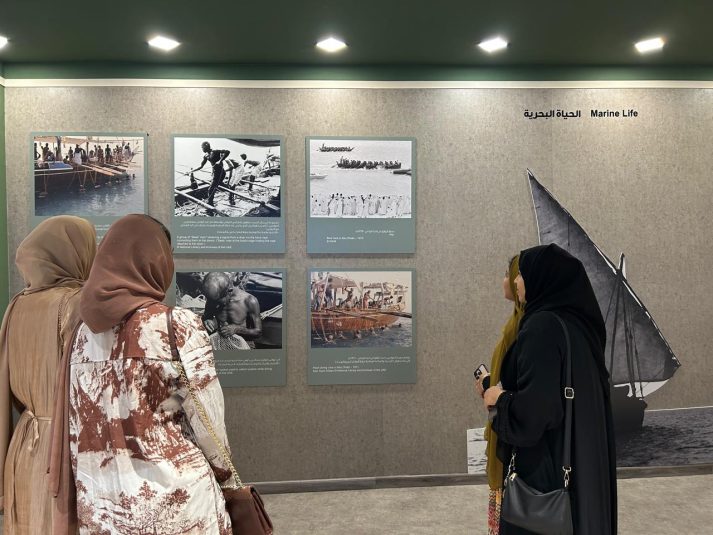
At its “Memory of the Nation” pavilion at the Sheikh Zayed Festival 2025–2026, the National Library and Archives dedicates a section for the traditional maritime life, highlighting the fishing and pearl-diving professions and the related crafts, which once formed vital economic and social foundations for the people of the UAE before the formation of the Union.
The scene prominently features the late Sheikh Zayed bin Sultan Al Nahyan who paid great attention to maritime heritage. He supported the development of traditional maritime races, diving expeditions, and shipbuilding, with a strong commitment to passing this rich legacy on to future generations and familiarizing them with the lives of their ancestors.
The section displays documented materials photographs of traditional tools used in fishing and diving, which were crafted from simple, locally sourced materials. It also features a rare photograph of the late Sheikh Zayed’s 1981 visit to Mr. Omeir bin Youssef’s home where a collection of natural pearls was displayed before him.
The Environment Agency – Abu Dhabi participates also in displaying a collection of natural and cultured pearls, accompanied by an explanation of the five grading criteria: roundness, size, color, surface quality, and luster.
Lining the walls of the section are historical photographs of traditional dhow races, scenes from diving ceremonies, oyster collection baskets, and various crafts associated with the pearling profession. Also on display are traditional diving boats and the process of preparing fishing nets.
Visitors can watch archival footage on dedicated screens, illustrating the pearling stages and traditional methods. Additionally, the National Library and Archives present a map of pearl banks in the Arabian Gulf, enriching visitors’ knowledge and deepening their understanding of this authentic tradition in the memory of the nation.
This section of the “Memory of the Nation” pavilion, with its contents, serves as a window through which new generations can learn about diving, the profession of their ancestors, which has now become part of the past.
The National Library and Archives Unveils Survey Insights on UAE Libraries and Their Integration of Artificial Intelligence
The National Library and Archives Unveils Survey Insights on UAE Libraries and Their Integration of Artificial Intelligence
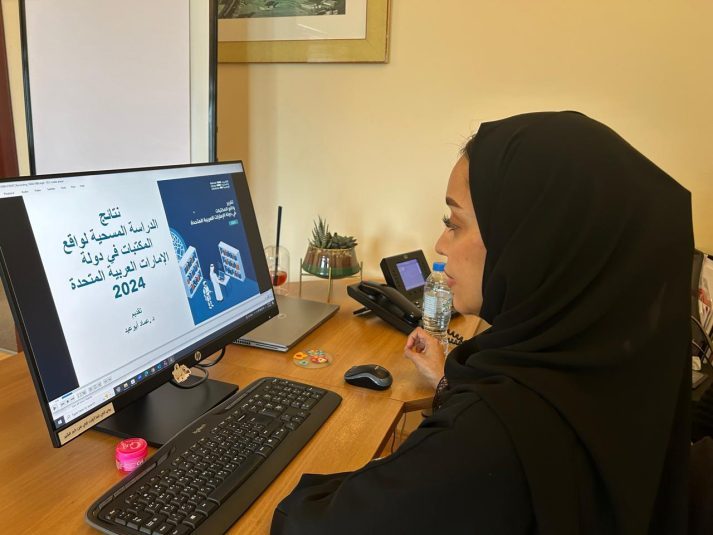
The National Library and Archives (NLA) unveils the findings of a survey study conducted in 2024 on the current state of libraries in the United Arab Emirates. Focusing on different types of libraries, the study assessed their current status, their impact on education and cultural development, and the range of knowledge resources, services, and activities they provide to the public.
The study also shed light on the approaches taken by libraries toward embracing AI technologies, along with the challenges they face in this field, in line with the national strategic vision for digital transformation and knowledge society building.
The virtual lecture began with a speech by Mr. Hamad Al Hamiri, Director of the Research and Knowledge Services Department at the National Library and Archives. He emphasized the importance of this study in providing fresh insights into the current state of libraries in the UAE, highlighting the transformative role of artificial intelligence in the library sector and its potential to enhance information services and improve the library work environment to benefit both professionals and library users alike.
Dr. Emad Abu Eid, an expert in libraries and social responsibility, unveiled key insights from the study, highlighting the quantitative and qualitative distribution of libraries and their staff, emerging digital trends, and the media platforms they utilize. He also reviewed the libraries’ collections, technical tools, services, and programs, while assessing their readiness to embrace AI initiatives. Additionally, Dr. Abu Eid emphasized the measurement of user satisfaction and the collection of constructive feedback to further enhance library services.
The study examined various aspects of libraries, including their buildings and facilities, collections and acquisitions, educational and cultural programs, automated systems and digital repositories, digital transformation technologies, available equipment and devices, research tools, and public communication channels.
Furthermore, the study recorded librarians’ observations on opportunities for improving library work, particularly in areas of technology and digital transformation, professional development, institutional collaboration, community services, and resource management.
The study also explored the relationship between artificial intelligence and libraries in the UAE. It assessed staff knowledge of AI technologies and applications, identified AI tools currently in use in libraries, along with the challenges faced in this area. Additionally, the study focused on the potential benefit of AI technologies and proposed practical solutions to support their implementation in libraries across the country.
Conducted for the benefit of the National Library and Archives, the study concluded by presenting a comprehensive vision of the state of public, academic, specialized, and school libraries in 2024. The vision encompassed library infrastructure and human resources, offering a new analytical dimension to the study of AI integration in this vital sector.
Finally, the study underscores the importance of its findings in guiding library development and meeting the evolving needs of the community, reaffirming libraries as essential partners in the UAE’s cultural and intellectual growth.
The National Library and Archives Launches the Emirates ISSN Centre Service
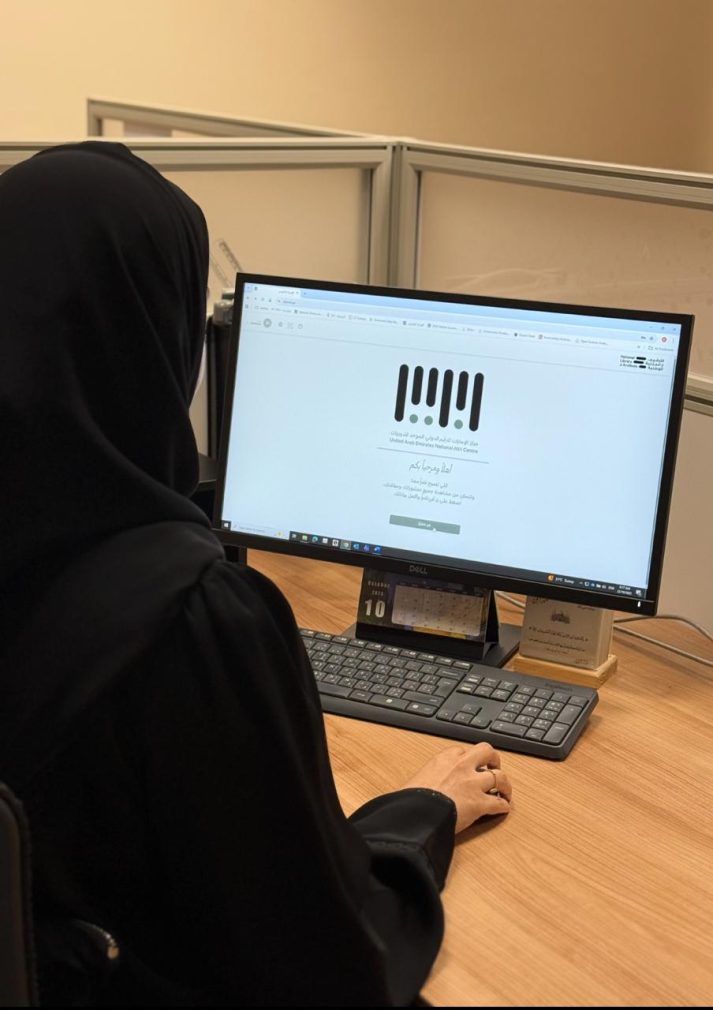
As a strategic step to strengthen the national information infrastructure and develop publishing activities, the National Library and Archives, in cooperation with the International Centre for the Registration of Serial Publications (ISSN IC), is launching the Emirates ISSN Centre, which will serve as the official representative and exclusive agent of the International Centre in the UAE, effective from 21 October 2025.
The UAE International Standard Serial Number Centre assigns ISSN identifiers to periodicals published in the United Arab Emirates. ISSN is the ISO standard identifier for serial publications and other continuing resources such as periodicals, magazines, newsletters, newspapers, yearbooks, and series, published in print, digital, or any other media.
The Emirates Center includes them in the national bibliography in addition to the International Standard Serial Number portal (https://portal.issn.org), thereby contributing to the dissemination of intellectual output from Emirati periodicals, making them accessible from around the world, and increasing their distribution and circulation.
On the occasion of the launch of the UAE Centre, His Excellency Dr. Abdullah Majid Al Ali, Director General of the National Library and Archives, said: “This initiative is the culmination of collaborative efforts between the ISSN International Centre and the National Library and Archives, and aims to facilitate the registration of periodicals and serial publications in accordance with international standards and promote them internationally, thereby enhancing the cultural scene and the country’s position as a centre of cultural influence .”
His Excellency Dr. Abdullah Majid Al Ali also emphasized that this service is an important step towards preserving the nation’s memory, as it is the identity of the periodical. This special identifier (ISSN) distinguishes the periodical from other publications, which enriches knowledge societies by ensuring the global dissemination of periodicals, thereby strengthening the knowledge economy and dialogue among civilizations.
His Excellency Dr. Abdullah Majid Al Ali added: “With the activation of the online portal for the service
https://www.nla.ae/en/national-library/uae-national-issn-centre/, the National Library and Archives is fully prepared to receive requests from publishers and grant the standard identifier (ISSN) to Emirati periodicals with the aim of promoting the publishing industry.”
Dr. Gaelle Bequet, Director of the ISSN International Centre, commented: “Thanks to the high level of professionalism of the team at the National Library and Archives in Abu Dhabi and to open and constructive dialogue, our cooperation with our colleagues in the United Arab Emirates has been very satisfactory. I would like to commend the International Centre’s trainers for supporting the new centre in producing quality identification metadata and setting up the IT process to ingest the data into the global ISSN portal. I am delighted that the UAE ISSN Centre is set to open in October 2025, which will strengthen the MENA region’s position within our network.”
About the National Library and Archives The National Library and Archives was established in 1968 under the name the Documents and Research Bureau, following the directives of the late Sheikh Zayed bin Sultan Al Nahyan, founder of the United Arab Emirates. Its mission was defined as collecting and preserving archives to enhance cultural and historical awareness. Accordingly, it houses a vast collection of historical materials documenting various aspects of life in the United Arab Emirates and the Arabian Gulf region since the 16th century. The National Library and Archives also undertakes the collection, preservation, and electronic storage of historical documents, in addition to safeguarding the nation’s cultural heritage. It is a member of numerous international institutions and plays a distinguished role as a creator of cultural content. Under Federal Law No. 13 of 2021, the National Library has become part of its umbrella.
About the ISSN International Centre Founded in Paris, France, in 1975, the ISSN International Centre is the global authority responsible for the assignment and management of International Standard Serial Numbers (ISSNs). It works with a network of National Centres to support the bibliographic control and dissemination of serial publications worldwide. The Centre manages the global
database of serial publications (https://portal.issn.org).