The National Library and Archives sheds light on its library and its advancement.
Prompted by its interest in library affairs and in conjunction with the festivities of Sharjah Public Libraries,
The National Library and Archives sheds light on its library and its advancement.
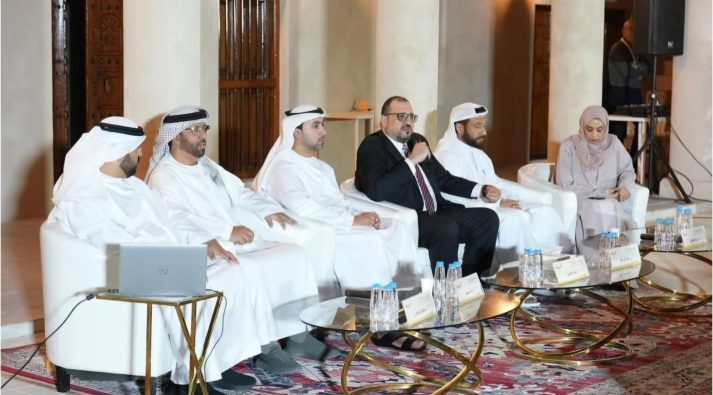
The National Library and Archives (NLA) participated in a session titled “History of Libraries in the UAE, Celebrating the Centenary of Sharjah Libraries”. During the session, insights were shared regarding the origins of libraries and their progress in the United Arab Emirates, particularly in the Emirate of Sharjah.
The NLA’s participation stems from its engrossment with all types of libraries, as well as its commitment to safeguarding cultural heritage, enhancing and empowering knowledge societies, while also fostering the knowledge economy and promoting reading and the spread of information.
Mr. Hamad Al-Hamiri, Director of the Research and Knowledge Services Department, represented the National Library and Archives in the session. In his speech, he accentuated the NLA’s role in preserving the nation’s enduring heritage along with utilizing it to enrich the vision for both the present and future. He underscored the NLA’s ongoing national journey as it fulfils its pioneering mission to collect, safeguard, and provide access to the memory of the nation.
Al-Hamiri pointed out that the NLA’s library was founded in 1968, simultaneously with the establishment of the National Library and Archives itself, which was initially called the Documents and Research Bureau. Since that time, it has played a crucial role in supporting the NLA’s goals, offering its services to researchers and the wider public.
He also highlighted Federal Law No. (13) of 2021, which unified the National Archives and the National Library under a single entity and outlined the National Library’s responsibilities. His presentation shed light on key future aspirations, including initiatives and projects, along with both technical and technological solutions.
It is important to note that this session was part of the Sharjah Public Libraries’ centennial celebration program. It served as a platform to emphasize libraries’ roles in fostering knowledge, documenting cultural heritage, and embedding reading as a vital aspect of daily life.
Participants in the session included Dr. Fahad Al Maamari, Chairman of the Emirates Library and Information Association (ELIA), Mr. Ali Mohammed Al Matrooshi, Advisor on Heritage and Local History in Ajman, Ms. Iman Bushlebi, Director of Sharjah Libraries Department, and Mr. Sultan Al Mazrouei, Board Member of the Emirates Library and Information Association.
The National Library and Archives has unveiled its interactive community project x71
In alignment with the Year of Community and to enhance national identity,
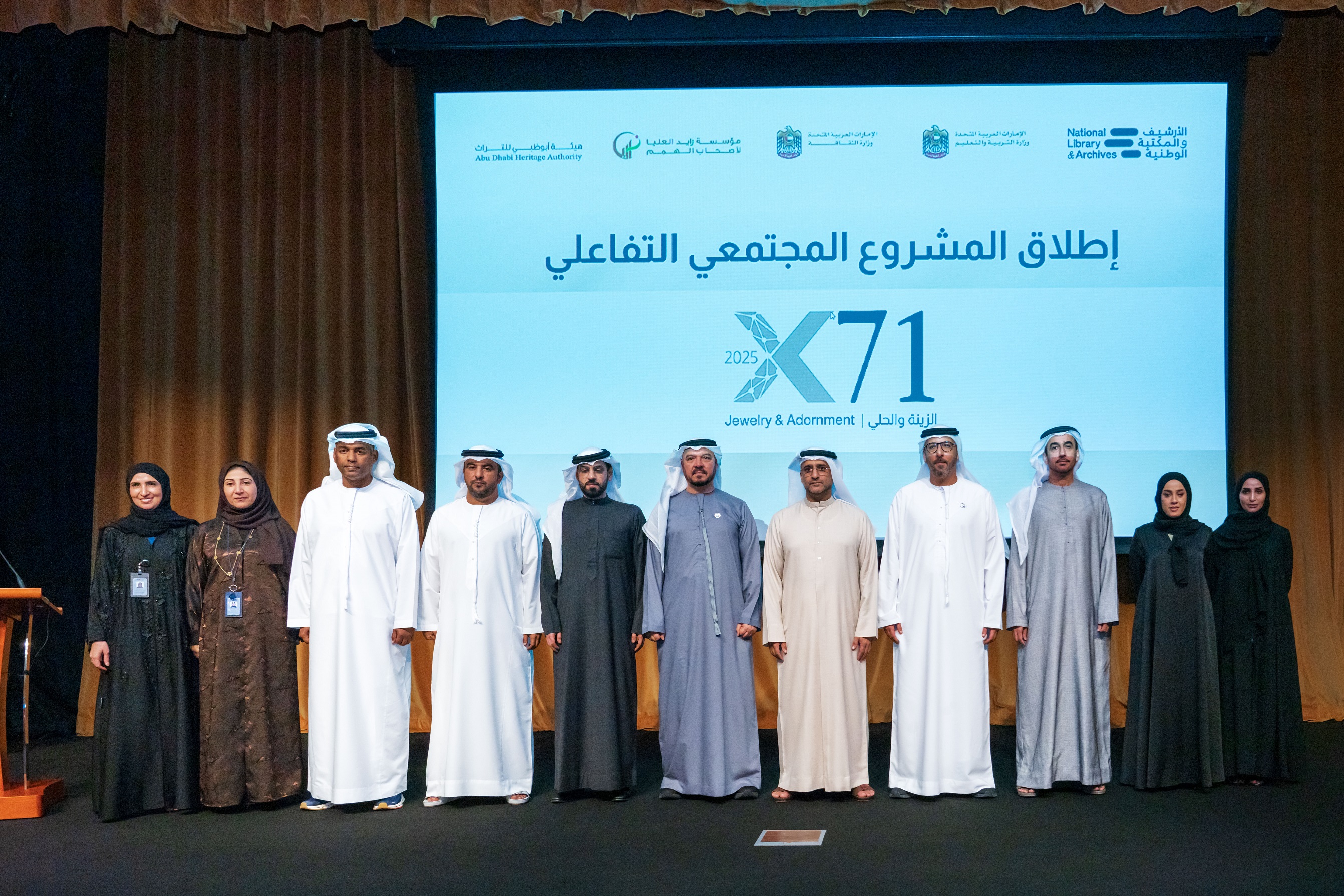
The National Library and Archives has unveiled its interactive community project x71, which celebrates adornments and jewellery during a press conference.
The National Library and Archives (NLA) has launched its community-focused and interactive project x71 in the presence of strategic partners at a press conference held at its headquarters. This initiative coincides with the Year of Community and aligns with the NLA’s vision and mission to safeguard documentary heritage while inspiring, enriching, and empowering knowledge communities.
Project (x71) has been thoughtfully designed to reflect the essence of the Year of Community, focusing on strengthening community connections, celebrating cultural and societal diversity, empowering youth, and nurturing their talents to amplify their societal contributions.
His Excellency Abdullah Majed Al Ali, the Director General of the National Library and Archives, commenced the conference with a speech emphasizing that the Project (x71) is dedicated to the culture and heritage of the UAE, with its inaugural edition focused on adornments and jewellery. This project aims to engage various segments of society in expressing a theme selected annually, celebrating the achievement of 71 creative works presented in an innovative and distinctive manner, both physically and virtually. The goal is to reinforce national identity within generations, foster talent, and promote innovation, thus enriching the cultural and knowledge landscape of the nation.
His excellency remarked, “We fully recognize that the success of this national project in meeting its objectives relies on collaboration and integration with strategic partners, as well as the efforts of the media, which serves as the bridge connecting us with the target community.”
His Excellency urged cultural and artistic institutions, governmental bodies, educational sectors, and all community members to participate in this project and showcase their creativity and innovative concepts. He indicated that this leads to the enhancement of cultural sustainability and serves as a lens through which generations can appreciate the UAE’s rich culture and heritage.
In his speech, His Excellency Abdullah Al Humaidan, Secretary-General of the Zayed Higher Organization for People of Determination, indicated that this unique event marks a new milestone in the UAE’s journey toward reinforcing national identity and celebrating the culture and heritage we all cherish. It represents a significant step toward fostering community unity and provides individuals of determination with a platform to express themselves through their artistic and handcrafted creations that honour our cultural legacy.
His Excellency Sulaiman Salem Al Kaabi, Assistant Undersecretary for the Professional Development Sector at the Ministry of Education, stated that this project aligns with the objectives of the Year of Community 2025, aiming to instil national values within future generations. He emphasized that the Ministry of Education will support this project, prompted by its commitment to preserving national heritage. He added that national identity is the cornerstone of the vision for a bright and sustainable future.
His Excellency highlighted that the Ministry of Education is dedicated to providing comprehensive support for this initiative by training teams of educators to take part in its execution, and by offering students the chance to be innovative and engage with its various programs.
In her speech, Her Excellency Asma Al Hammadi, Assistant Undersecretary of the Ministry of Culture, emphasized that this project represents the vision of the UAE government and its commitment to bolstering national identity while showcasing the UAE’s rich history and culture. She noted that 2025 marks a significant milestone, as the UAE celebrates the Year of Community, which embodies the dedication of all community members to create a sustainable society filled with talent and creativity.
She further stated: “This initiative seeks to harness creative energies by involving diverse segments of society, such as students, artists, and creators, to express our rich culture in innovative manners that reflect our cultural identity. Together, we will showcase 71 creative works that encapsulate the visions and sentiments of our community in both physical and virtual exhibitions.”
H.E. Abdulla Mubarak Al Muheiri, Director General of the Abu Dhabi Heritage Authority, remarked: “In alignment with the UAE’s vision to fortify national identity and revive Emirati heritage, we are delighted to participate in this project, which illustrates our commitment to preserving Emirati heritage and passing it to future generations through creative methods that blend arts and culture in modern and innovative formats.”
He added: “At the Abu Dhabi Heritage Authority, we believe that engaging the community in cultural initiatives enhances cultural sustainability and deepens pride in national identity. We eagerly anticipate the artistic creations that will emerge from this project and greatly appreciate the efforts of all partners and supporters involved in its success.”
Finally, Dr. Husniya Al-Ali, Education Advisor at the National Library and Archives, discussed key aspects of the project as an opportunity to promote sustainability and as one of the developmental accelerators for the nation’s progress toward 2071. She underscored the collaboration with strategic partners in executing the project. She also outlined the project’s themes, which include women’s adornments and jewellery, men’s adornments, horse decorations, bird embellishments, decorations for heritage houses, and camel ornaments. She highlighted the project’s domains: visual and expressive arts, photography, digital arts and media, music and performance, embroidery and collage, as well as poetry and literature.
She wrapped up by determining the stages of launching the project, the training and knowledge support, followed by the reception of the works, then the evaluation and recognition. She pointed that the art exhibition will showcase 71 pieces, representing the most prominent outputs of the project. She also indicated that the exhibition will go mobile moving between the National Library and Archives, the headquarters of strategic partners, and other locations, with a view of targeting a wider audience to maximise the benefits of its content.
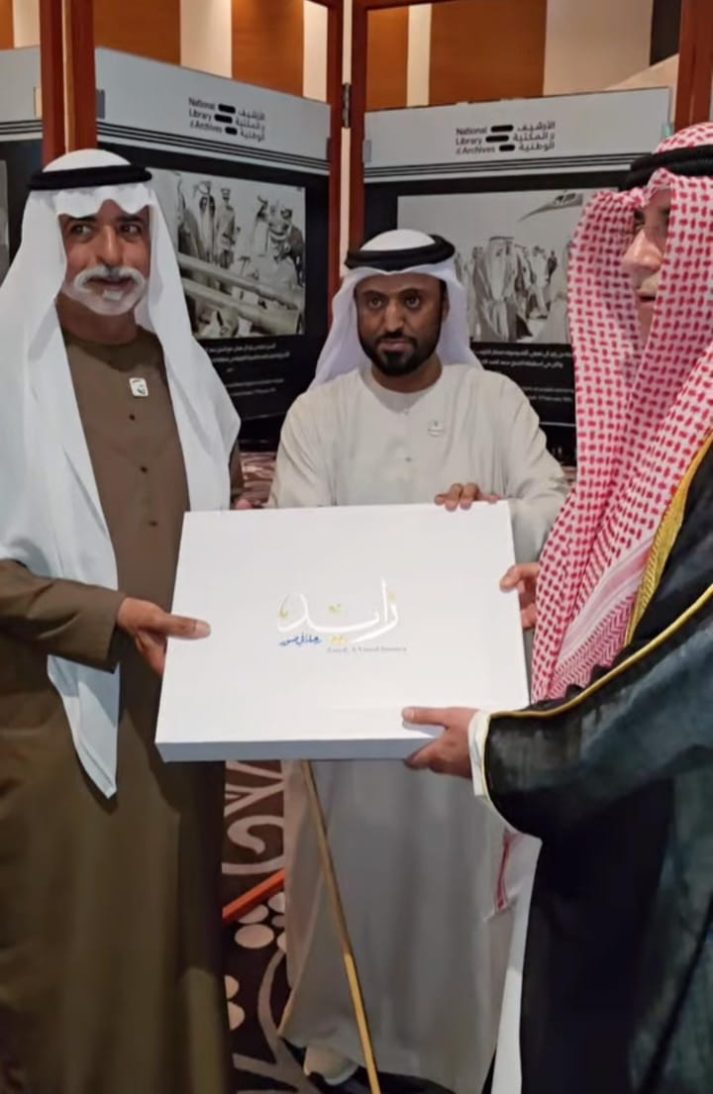
The National Library and Archives Joins the Kuwaiti Embassy with a Historical Photo Exhibition in Kuwait’s National Celebrations
In the presence of His Excellency Sheikh Nahyan Mubarak Al Nahyan, the NLA presents the book “Zayed, A Visual Journey” to His Excellency the Kuwaiti ambassador
The National Library and Archives Joins the Kuwaiti Embassy with a Historical Photo Exhibition in Kuwait’s National Celebrations.
In confirmation of the exceptional relations and permenant strategic cooperation between the two brotherly countries, the National Library and Archives participated in the celebrations held by the Kuwaiti Embassy on the occasion of the 64th National Day and the 34th Liberation Day. The participation included a historical photo exhibition documenting the deep fraternal ties, historical bonds, and strong cooperation between the two nations.
In the presence of His Excellency Sheikh Nahyan bin Mubarak Al Nahyan, Minister of Tolerance and Coexistence, the National Library and Archives presented His Excellency Jamal Mohammed Al-Ghunaim, the Kuwaiti Ambassador to the UAE, with a copy of Zayed. A Visual Journey, the latest publication by the National Library and Archives. This book serves as a visual encyclopedia featuring rare photographs of the late Sheikh Zayed bin Sultan Al Nahyan, showcasing his remarkable legacy, noble values, generosity, and deep love for his homeland.
The exhibition organized by the National Library and Archives at the Kuwaiti Embassy’s celebration, held at the Fairmont Bab Al Bahr in Abu Dhabi, featured a collection of photographs capturing key moments between the late Sheikh Zayed bin Sultan Al Nahyan and His Highness Sheikh Mohamed bin Zayed Al Nahyan, President of the UAE along with Kuwait’s Princes and leaders. These encounters played a significant and constructive role in strengthening the fraternal ties between the two nations and fostering cooperation across various fields.
It is noteworthy that the historical photographs displayed in the exhibition, which highlight the solid bilateral relations, deep historical ties, and fruitful cooperation, are part of the National Library and Archives’ extensive photographic collections. By participating in this exhibition, the NLA provided a valuable window into the historical depth of the exemplary and model relationship between the UAE and Kuwait. The exhibition attracted a wide audience, reflecting the public’s strong interest in this rich historical legacy.
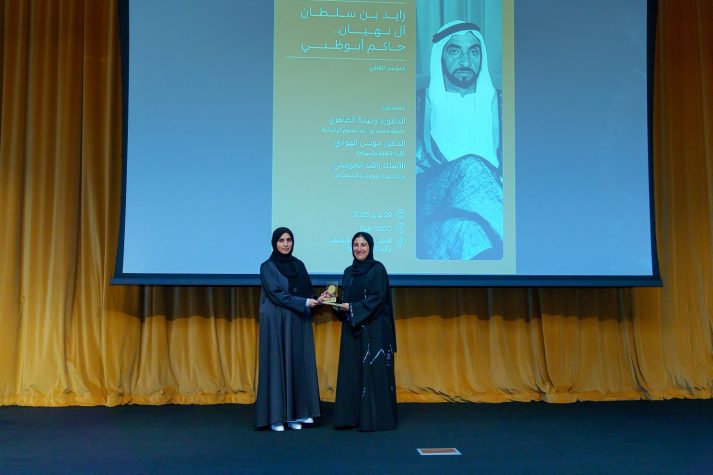
The National Library and Archives Launches its 2025 Cultural Season with a Symposium Inspired by the Wisdom, Stances, and Achievements of Sheikh Zayed bin Sultan Al Nahyan
Reaffirming the Founder and Builder’s Dedication to Family and to Enabling Individuals to Serve Their Homeland.
The National Library and Archives Launches its 2025 Cultural Season with a Symposium Inspired by the Wisdom, Stances, and Achievements of
Sheikh Zayed bin Sultan Al Nahyan.
The National Library and Archives inaugurated its 2025 cultural season with a symposium on the late Sheikh Zayed bin Sultan Al Nahyan, Ruler of Abu Dhabi. The event highlighted his wise leadership, foreseeing the future in Sheikh Zayed’s thought, his achievements, exceptional visions, humanitarian efforts, interest in society and human development, which he considered as the cornerstone of any development and progress, and his efforts in education, healthcare and culture sectors to equip individuals to serve their homeland. Additionally, it emphasized his great attention to family, which he regarded the nucleus of society and the most significant influence on an individual’s character and formation.
The National Archives and Library selected this symposium due to the profound impact of this period in Sheikh Zayed’s history – an era filled with defining moments that established him as a symbol of wisdom, benevolence, and generosity at all levels. His enduring initiatives and inspiring leadership continue to affirm his status as an esteemed and visionary leader, admired both regionally and internationally.
The symposium featured distinguished speakers, including Dr. Wadima Al Dhaheri from Mohamed Bin Zayed University for Humanities, Dr. Mousa Al Hawari from the Department of Culture and Tourism, and Mr. Rashid Al Hosani from Trends Research & Advisory. The session was moderated by writer and historian Ms. Fatima Al Mazrouei, Head of the Historical Archives Department at the National Library and Archives.
The symposium highlighted Sheikh Zayed’s focus on foresight and future planning, exemplified by his meeting with NASA’s Apollo team in 1976. It also addressed his strategic use of soft power in international relations and his numerous achievements, most notably the establishment of the Union, advancement of education, promotion of culture and heritage, and the pursuit of development and progress. Moreover, Sheikh Zayed spared no effort in humanitarian endeavors, dedicating himself to society’s well-being and the advancement of human development.
The symposium emphasized the wisdom and exceptional vision of Sheikh Zayed as the founder and builder of the nation. He had a comprehensive development strategy aimed to position the UAE as a model of sustainable growth. Despite economic and political challenges, his determination and insight enabled him to overcome obstacles, leading to the development of infrastructure and essential facilities that ensured a dignified life for the people. With unwavering resolve, he pursued the unification of the Emirates, recognizing the paramount importance of unity. He spared no effort in empowering citizens, fostering peace, and strengthening national identity through the preservation of heritage and traditions. His enduring legacy of development and progress has profoundly influenced the UAE’s leadership, establishing the nation as a global benchmark.
The symposium also shed light on the humanitarian aspect of Sheikh Zayed’s life. It highlighted his contributions during his tenure as the Ruler’s Representative in Al Ain, where he played a vital role in maintaining aflaj irrigation system, implementing a structured water distribution plan. He prioritized agriculture and afforestation, expressing his renowned wisdom: “Give me agriculture, and I will guarantee you civilization”. The symposium also highlighted his dedication, throughout his rule of the Emirate of Abu Dhabi, to education and healthcare, as well as the development of infrastructure and his efforts toward the establishment of the Union. He was a leader close to his people, a man of humanity who extended a helping hand with humanitarian aid to brothers and friends.
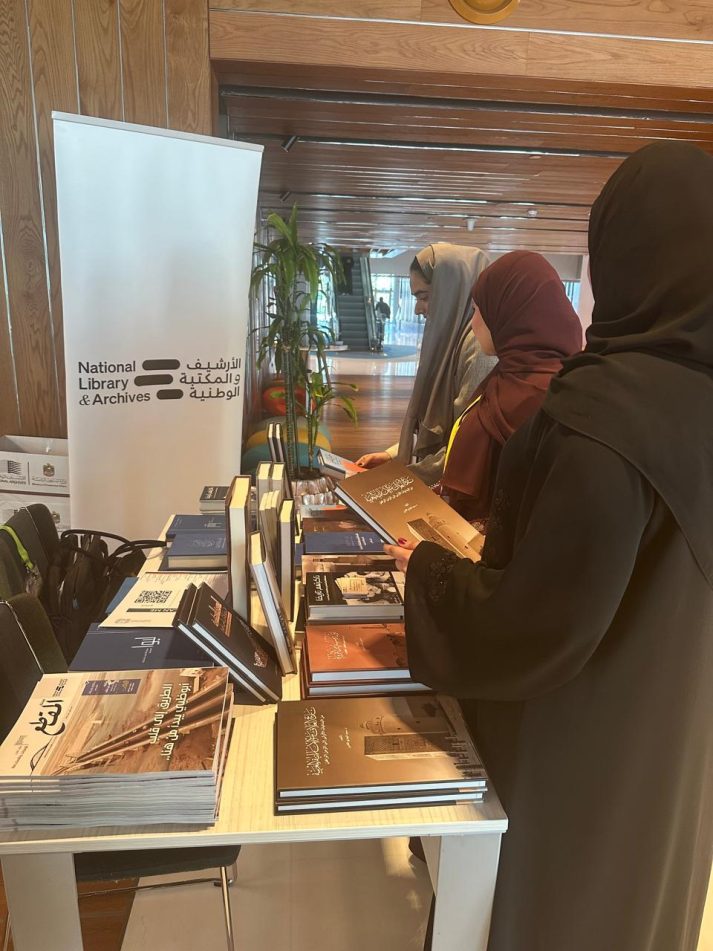
The National Library and Archives Participated in the First International Conference on Library and Information Sciences
Presenting Key Milestones, Achievements, and Aspirations, Along with Showcasing its Most Notable Publications
The National Library and Archives Participated in the First International Conference on Library and Information Sciences
The National Library and Archives participated in the First International Conference on Library and Information Sciences, organized by Al Wasl University in collaboration with Mohammed bin Rashid Library in Dubai. The participation included a presentation titled “The Role of the National Library and Archives in the Cultural System: Aspirations and Achievements”, which introduced the institution, highlighted its current achievements and future aspirations. Additionally, the participation featured an exhibition showcasing the National Library and Archives’ most notable and recent publications on the sidelines of the conference.
The presentation delivered by Ms. Amal Al Hadrami from the National Library and Archives outlined the key phases of the institution’s evolution, starting from Documents and Research Bureau, followed by the Center for Documentation & Research, the National Center for Documentation and Research, the National Archives, and its current form as the National Library and Archives.
The presentation highlighted the evolution of the National Library following the issuance of Federal Law No. 13 of 2021, which unified the National Archives and the National Library under a single entity and defined the National Library’s competencies. It also outlined key future aspirations, including strategic initiatives and projects, advanced technical and technological solutions, as well as research and consultancy efforts.
The presentation highlighted the National Library’s current achievements, including the establishment of the UAE National ISSN Centre, the development of the Information Portal, the UAE Digital Memory initiative, the enrichment of the library’s collection with rare books, and survey studies on the state of libraries in the UAE, among other accomplishments.
Among the publications of the National Library and Archives presented on the sidelines of the conference were the peer-reviewed scientific journal Liwa, the quarterly Al-Maqta’ magazine, and recently issued books such as History of Emirati-Moroccan Relations and The First Barrel of Wealth. Also showcased were volumes of Their Memory Our History, derived from oral history interviews, several books on Al Dhafra region, and Zayed: Medals and Awards.
The National Library and Archives was keen to attend and participate in the First International Conference on Library and Information Sciences, recognizing the significance of shared goals such as promoting the use of artificial intelligence, reviewing best practices and available resources in the field, enhancing awareness of artificial intelligence and data science technologies, and anticipating the future of library and information science education in the era of artificial intelligence.
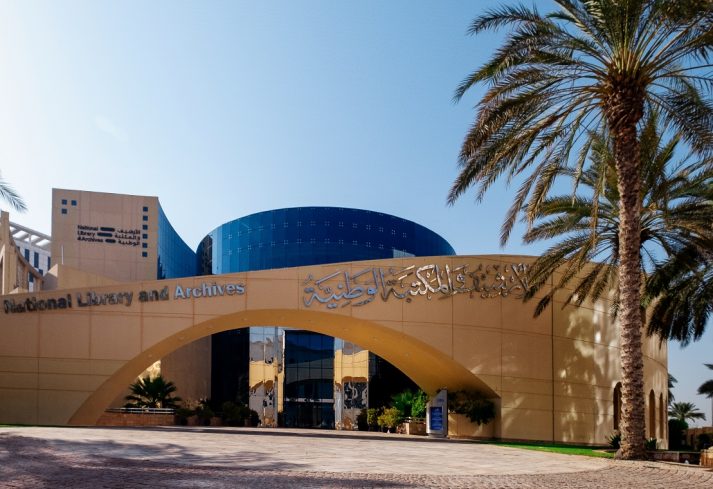
The National Library and Archives is Preparing to Launch the Agenda for its New Cultural Season in 2025.
With its Activities Dedicated to the Topics Aligned with the UAE Centennial 2071 Themes.
The National Library and Archives is Preparing to Launch the Agenda for its New Cultural Season in 2025.
The National Library and Archives is preparing to launch the agenda for its new cultural season in 2025, featuring a rich array of interactive and specialized cultural activities designed to enrich knowledge Societies. All the activities of the new season will revolve around the themes of the UAE Centennial 2071 and will be implemented in collaboration with strategic partners.
The monthly events of the cultural season, celebrated by the National Library and Archives, represent a significant step towards building a sustainable knowledge economy. They provide an exceptional experience in the cultural and creative landscape and support cultural industries by bringing together a distinguished group of intellectuals, specialists, creatives, and individuals with outstanding and successful experiences.
Since the UAE Centennial 2071 is based on four main pillars – A future-oriented government, Future-focused education, A diversified knowledge economy, and A more cohesive society – the cultural season, with its monthly activities running throughout the year, will structure its program so that each season focuses on one of these pillars. The events will be implemented in collaboration with strategic partners from official entities according to their specialization and relevance to a specific pillar of the Centennial.
The National Library and Archives is committed to enriching its cultural season – held under the theme “Archiving is Life” – with topics of national significance that strengthen patriotism, loyalty to the wise leadership, and reinforce national identity. It also aims to document and make the 2025 cultural season’s events accessible to researchers and enthusiasts for maximum benefit while honouring participants with attendance certificates.
The National Library and Archives seizes this opportunity to invite all intellectuals and interested individuals to participate in the events of its new cultural season and follow-up its activities, which are rich in both enjoyment and benefit.
The National Library and Archives organized more than 22 cultural symposiums as part of its 2024 cultural season, featuring over 40 speakers and reaching more than 1500 participants.
In addition, the 2024 cultural season included a diverse selection of evening sessions and symposiums organized in collaboration with the Emirates Literature Foundation, with over 14 speakers and an audience of more than 740 attendees.
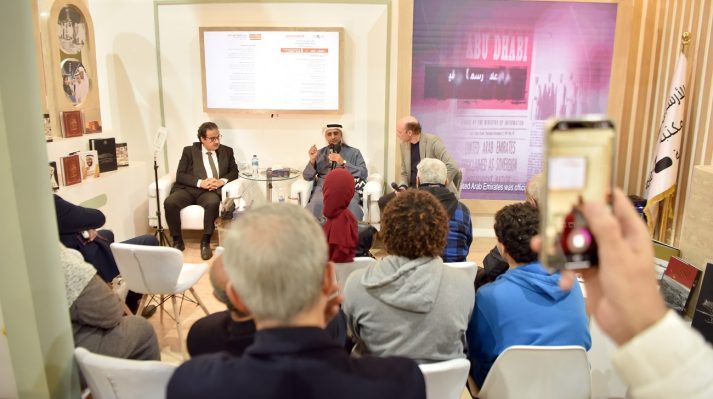
The National Library and Archives Organizes a Specialized Seminar on the Concept of Archives’, Their Development, and Their Role in Supporting Development and Scientific Research.
On the sidelines of the 56th edition of “Cairo International Book Fair”
The National Library and Archives Organizes a Specialized Seminar on the Concept of Archives’, Their Development, and Their Role in Supporting Development and Scientific Research.
The National Library and Archives (NLA), as part of its comprehensive program at the current edition of Cairo International Book Fair 2025, hosted a specialized seminar exploring the concept of archives, their development, and their critical role in supporting development and scientific research. The seminar shed light on the NLA pioneering efforts in enriching knowledge and advancing scientific research amidst the era of informational openness and technological innovation. Emphasizing the NLA’s experience the seminar highlighted that archives serve as the memory of nations and invaluable repositories of information, ensuring the continuity of knowledge transfer across generations. Archives were recognized as an indispensable resource for fostering development and advancing scientific research.
The seminar featured the participation of His Excellency Abdulla Majed Al Ali, Director General of the National Library and Archives, and Mr. Freed Zahran, Chairman of the Egyptian Publishers Association.
The discussions emphasized the pivotal role of Archives in promoting national identity and supporting sustainable development. The seminar highlighted that archives are fundamental tools for generating knowledge and driving progress. Investing in the preservation and advancement of archives was portrayed as an investment in the future of societies, as archives enable a deeper understanding of the past, the building of a better present, and the shaping of a more promising future. Furthermore, the seminar underscored that safeguarding archives is a national responsibility, vital for ensuring the continuity of development and enabling well-informed decision-making processes.
The seminar also highlighted that archives are not merely repositories of historical information but are essential resources that drive development and scientific research. It emphasized their role as dynamic tools for fostering progress and innovation. Among the most important types of archives discussed were: national archives, coporate archives, personal archives, and digital archives, and others.
The seminar emphasized that archives serve as a cornerstone for scientific research, providing a reliable source of accurate information. With the advancement of technology, archives have transformed to include diverse digital formats such as electronic documents, images, audio and video recordings, and extensive databases. The traditional notion of “place” has expanded beyond physical storage spaces and shelves to incorporate cloud storage systems and digital platforms, facilitating seamless remote access to documents.
The seminar also highlighted that technology has become an essential partner for archives in achieving their goals. It has made access to archives easier and faster. Digital archives help preserve old documents that may be at risk of damage or loss. Additionally, technology assists in data analysis, and advanced search tools, such as artificial intelligence, can now analyze documents and search for connections between them more quickly and accurately.
The seminar showcased the role of the National Library and Archives as a model for leveraging archives to support scientific research and development. It offers a comprehensive digital platform that grants researchers access to valuable historical documents and manuscripts, along with studies and well-documented reports on the history of the UAE and the Gulf region. This initiative enriches academic knowledge, aids students and researchers, and fosters historical research through the organization of scientific conferences, such as the Emirates International Oral History Conference, which plays a vital role in documenting unwritten historical narratives. In the field of development, the National Library and Archives promotes the national identity by documenting Emirati heritage, and preserving local culture, and this contributes to enhancing national belonging.
The seminar also emphasized the role of archives in international cooperation. It participates in international initiatives, organizes cultural fairs, exhibitions and events, and offers additional services such as documenting the local and international newspapers and magazines that cover the history of the UAE, as well as digitizing the local and international archives’ documents, ensuring their sustainability and ease of access. The seminar showed that the National Library and Archives places great importance on private archives.
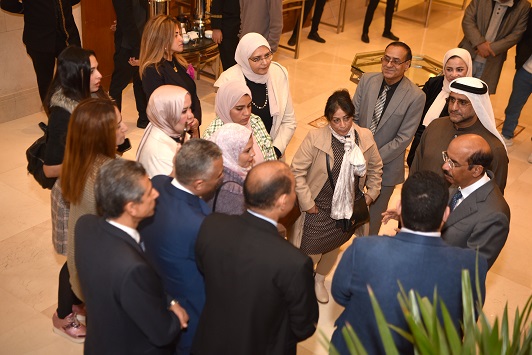
The National Library and Archives Hosts a Media Forum on the sidelines of the Cairo International Book Fair (CIBF) 2025
The National Library and Archives Hosts a Media Forum on the sidelines of the Cairo International Book Fair (CIBF) 2025
In keeping with its annual tradition, the National Library and Archives (NLA) held a forum for media professionals alongside the 56th Cairo International Book Fair. The event aimed to highlighting the NLA’s key cultural and developmental initiatives, along with its significant contribution to the cultural and intellectual landscape among creators and to the enrichment of knowledge societies.
The forum saw the participation of His Excellency Mohamed Ahmed Al-Murr, Vice Chairman of the Board of Directors of the National Library and Archives, along with various newspaper editors, editors-in-chief from Egyptian media outlets, and numerous media professionals.
His Excellency Abdulla Majed Al Ali, Director General of the National Library and Archives, inaugurated the forum with a speech emphasizing the significance of the Cairo International Book Fair. He extended congratulations to the sisterly Republic of Egypt for its remarkable success in organizing this prominent annual cultural event, which stands as one of the largest book fairs in the Middle East. He underscored that the NLA’s participation in CIBF 2025 reflects the strong ties between the United Arab Emirates and the Arab Republic of Egypt. These relations, nurtured by the wise leaderships and the peoples of both nations, continue to evolve, bolstered by new avenues of cooperation that foster prosperity and development for both countries.
His Excellency highlighted the significant advancements witnessed by the National Library and Archives at this stage, noting its emergence as a leading institution in the creation of serious and impactful cultural content. This progress is evident in the NLA’s influential role within the cultural landscape, serving as a hub of cultural dissemination that enhances libraries through its specialized publications, which provide documented and precise information. Additionally, the NLA organizes a variety of cultural events both within and beyond the borders of the United Arab Emirates, while also demonstrating a strong commitment to safeguarding the nation’s documentary heritage. His Excellency emphasized that concurrently, the National Library is focused on expanding its diverse cultural collection and ensuring its accessibility. He asserted that the overall cultural activity is undergoing a significant qualitative transformation, characterized by the integration of artificial intelligence and its applications, which will facilitate long-term preservation, digitization, and content availability, with the overarching aim of leveraging AI across all sectors.
His Excellency commended the vital role of media professionals and their significant contributions to the renaissance and advancement of the national development framework. He emphasized their role in fostering positive values, envisioning the future, cultivating generational culture, and reinforcing national identity. He expressed high regard for their constructive efforts and encouraged them to highlight the experiences of the National Library and Archives in the United Arab Emirates, which is dedicated to preserving heritage and history while promoting a culture that enriches, inspires, and empowers knowledge societies.
The forum took place at the Intercontinental City Stars Hotel in Cairo. It was attended by a large number of Egyptian media professionals, the National Library and Archives team participating in the activities of the Book Fair, representatives from the Embassy of the United Arab Emirates to the Republic of Egypt, along with distinguished writers and intellectuals.
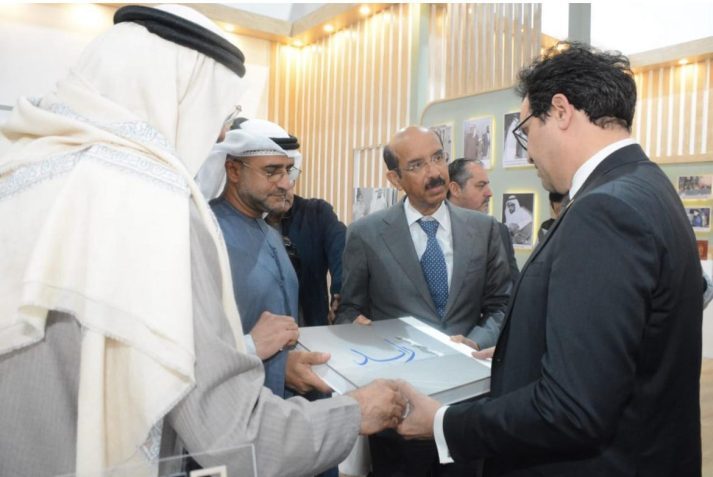
The National Library and Archives is actively involved in the Cairo International Book Fair (CIBF) 2025, with a comprehensive schedule of seminars, cultural gatherings, and specialized events.
The National Library and Archives is actively involved in the Cairo International Book Fair (CIBF) 2025, with a comprehensive schedule of seminars, cultural gatherings, and specialized events.
The National Library and Archives commenced its participation in the 56th Cairo International Book Fair (CIBF) with the event’s opening. The NLA is showcasing the milestones in its journey as it works to enrich knowledge societies and improves its services being an institution dedicated to documentation and archiving and a cultural edifice that launches publications documenting the history and heritage of the UAE and the Arabian Gulf region. Additionally, the NLA is hosting a large number of cultural events featuring prominent authors and intellectuals.
The National Library and Archives is committed to participating annually in the Cairo International Book Fair, a major cultural platform that introduces its visitors to the NLA’s cultural and intellectual production. This event serves as chance to strengthen relations with cultural and archival institutions.
At the opening ceremony, His Excellency Dr. Ahmed Fouad Hanno, Egyptian Minister of Culture, visited the National Library and Archives’ booth. He was received by His Excellency author Mohammed Ahmed Al-Murr, Vice Chairman of the Board of Directors of the National Library and Archives, and His Excellency Abdullah Majed Al Ali, Director General. They presented His Excellency with two NLA publications: “Zayed’s Journey in Pictures” and “Um Kulthum in Abu Dhabi”. His Excellency received a brief overview on Zayed’s Journey in Pictures, which contains over 600 rare photos highlighting milestones in Sheikh Zayed bin Sultan Al Nahyan’s life, from his assumption of power in the Emirate of Abu Dhabi to the establishment of the United Arab Emirates.
Regarding this participation, His Excellency Abdullah Majed Al Ali, Director General, remarked: “Our annual participation in the Cairo Book Fair is of great significance to us, since it serves as a worldwide cultural platform and a venue for civilizational and intellectual exchange. We are committed to establishing our presence in the regional and global cultural and literary arenas to showcase the contributions of the National Library and Archives to the cultural movement. This effort continues to inspire and enrich knowledge societies, making our participation in the Cairo International Book Fair one of our top priorities.”
He continued: “This participation lays the groundwork for reinforcing cultural ties and knowledge sharing with Egyptian cultural and archival institutions, given that their objectives align closely with ours. It is essential to acknowledge that the NLA has evolved beyond being solely a keeper of historical documents or a guardian of national memory; it has also become an integral player among those who shape culture.”
His Excellency highlighted that the NLA’s participation in the CIBF 2025 features a dynamic agenda that includes various cultural seminars and professional gatherings, specialized workshops, and activities aligned with its interests. The NLA’s booth showcases historical documents and films featuring the profound and brotherly ties between the United Arab Emirates and the Arab Republic of Egypt. He emphasized that the booth embodies the National Library and Archives’ strategy for the period leading up to 2032, reflecting its commitment to preserving documentary heritage and identifying future trends across various domains.
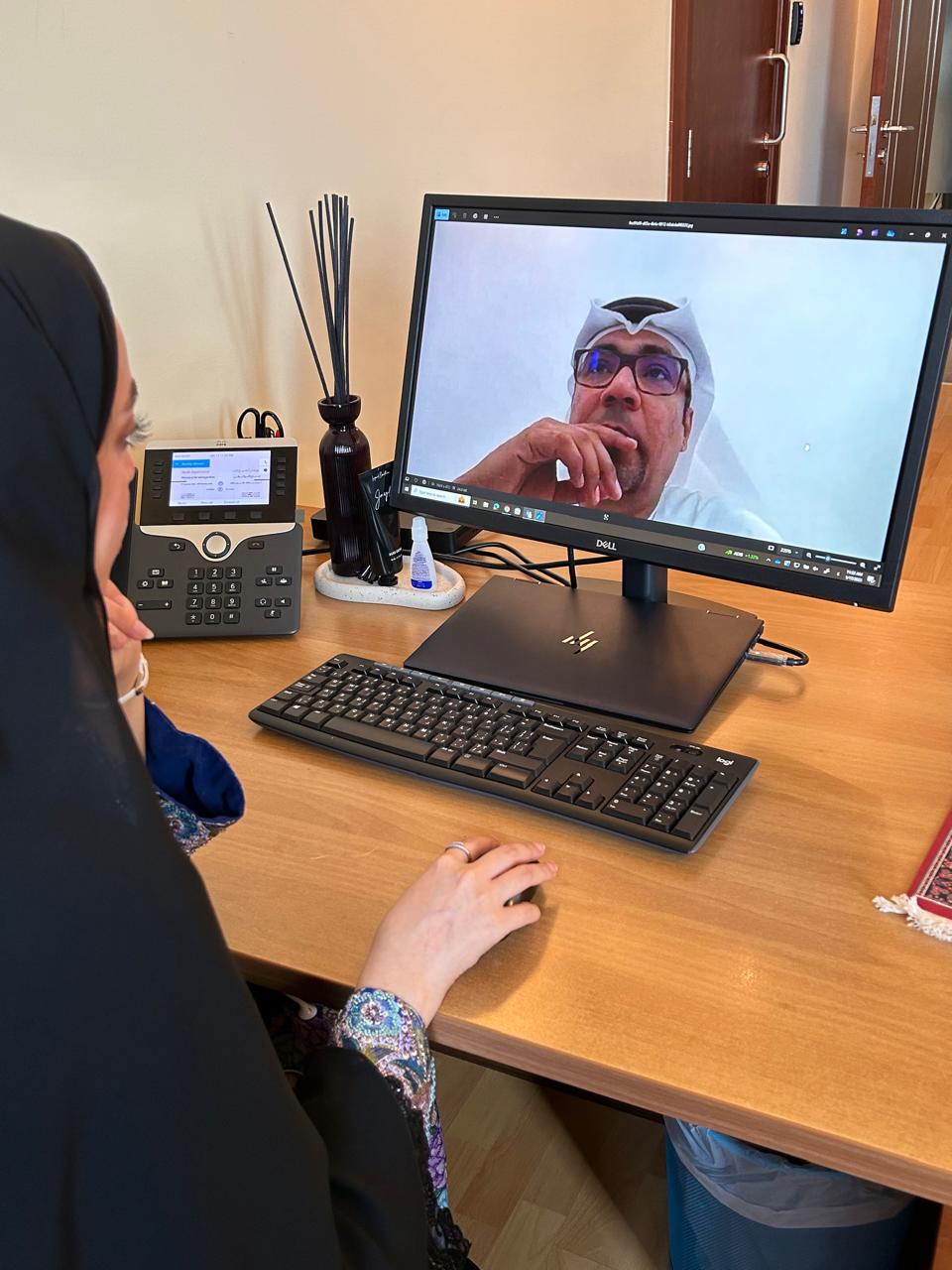
The National Library and Archives Explores Publishing Affairs and the Impact of Artificial Intelligence on it
The National Library and Archives Explores Publishing Affairs and the Impact of Artificial Intelligence on it.
The National Library and Archives organized a virtual lecture titled “Utilizing Artificial Intelligence in the Publishing Sector,” as a key player in cultural production. The lecture addressed the transformation and developments witnessed in the world of publishing with the emergence of artificial intelligence and the evolution of publishing platforms. It also discussed the impact of AI on authors and readers, as well as the legal implications of AI-assisted publications.
The lecture included several topics covering aspects of the publishing sector and its influence by AI. The lecture featured the contribttions from Mrs. Fatima Al Hudaidi, Head of Publishing Unit at the NLA, and Mr. Jamal AL Shehhi, Emirati writer, publisher, and General Director of Kuttab Publishing House.
The lecture emphasized that more than 80% of authors rely on AI in their literary works. A skilled writer can use AI to develop ideas, organize and proofread, while an average writer can benefit from AI in enhancing their tools. AI acts as a technical assistant in writing research, but research that fully relies on it is easier to detect. Therefore, the future belongs to authors who leverage from AI assistance without fully relying on it.
AL Shehhi said: “Kuttab Publishing House prefers to deal with original content that reflect the writer’s ideas, style, and personal touch. However, reliance on AI has become a reality and a necessity, prompting publishing houses to acknowledge it and agree on a usage percetage not exceeding 20% as stipulated in the contract terms between authors and publishing house.” He also emphasized that they have their own methods for detecting the level of AI reliance on artificial intelligence in the material.”
The lecture pointed out that despite the significant impact of artificial intelligence on publishing, the publishing industry will remain ongoing and continue to play its role in the production of culture. It was noted that some global platforms, such as Amazon, indicate that certain works are labeled “written with the help of artificial intelligence,” meaning the author provided the ideas to AI, and the AI wrote them. While the reader has the freedom to purchase the book, the challenge lies in counterfeiting and false claims.
The lecture also revealed the role of artificial intelligence in evaluating and critiquing literary and cultural texts, making the challenge and competition not only between the writer and both technical and human publishers but also with critics. It highlighted that publishing houses also cater to readers’ commercial interests due to their significance, emphasizing the existing gap in writing for young readers, which receives attention from publishers. Additionally, there is a focus on attracting science fiction books and those related to space, in response to future aspirations, along with important translated works, and a focus on heritage and history books at certain stages.
Al-Shahhi emphasized the importance of encouraging researchers and authors, noting that this is vital for revitalizing the publishing sector. He pointed out that some countries view the publishing sector as an independent industry, while others consider it part of the cultural industry. In many cases, it is considered more of a task than an industry, much like the tourism industry, for example.
The lecture concluded that AI is not only reshaping publishing, but also empowering authorrs in the digital age. AI tools have contributed to reducing production time by more than 50%, thanks to the ease of publishing and global distributionThis has made books more readily available to readers faster than ever before. In short, AI benefits the book and the author more than the publisher.
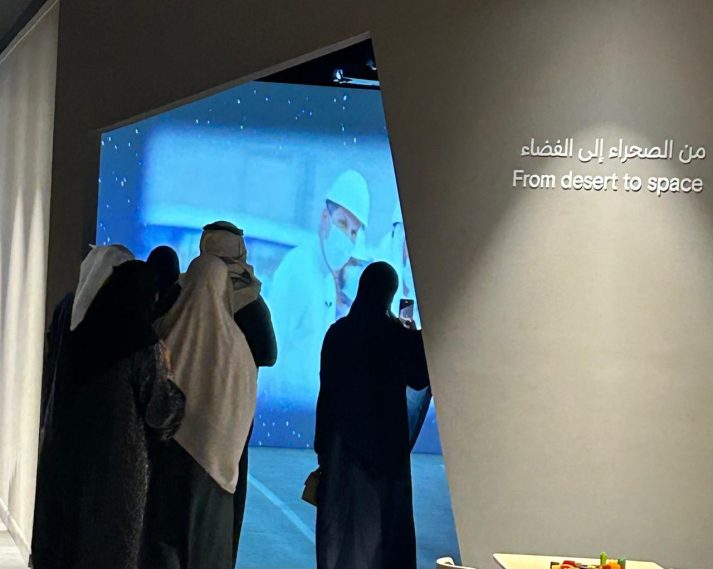
“Memory of the Nation” Takes Visitors on a Journey from the Desert to Space
The National Library and Archives Welcomes Visitors to its Platform at Sheikh Zayed Festival 2025
“Memory of the Nation” Takes Visitors on a Journey from the Desert to Space
The National Library and Archives has dedicated a special corner at its platform in Sheikh Zayed Festival 2025, to highlighting the UAE’s interest in space. The corner’s slogan is: “From the Desert to Space”. It showcases the UAE’s focus on space, which has now become a vital aspect of life of all nations. In 2014, the UAE officially embaked on its journey into outer space exploration.
The corner is a testament to the UAE’s remarkable achievements, which serve the nation’s best interest. In 1976, the late founder and builder, Sheikh Zayed bin Sultan Al Nahyan, received a delegation from the United States’ Space Agency (NASA), where he commended the humanity’s greatest accomplishment of landing on the moon’s surface.
The corner, “From the Desert to Space”, documents the role and plans of the wise leadership and its plan for space exploration, highlighting the development of “KhalifaSat”, marking the first entirely Arab-manufactured satellite and ushering the Arab region into a new era of competition in space sciences and exploration. This was followed by the launch of the “Hope Probe” for space exploration, marking a historic milestone for the UAE with Emirati astronaut Hazza AlMansoori’s journey to the International Space Station, along with Dr. Sultan Al Neyadi’s six-month mission, which featured pioneering scientific experiments.
One of the most prominent displays presented on the large screens at the three facades of the hall is the description of Sheikh Zayed as being born in the heart of the desert, yet his vision shaped the UAE’s future. He saw beyond the horizon and dreamt of a united nation. The achievements he accomplished were never the result of force, but of wisdom and determination. Through his unwavering support, Sheikh Zayed laid the foundations for a modern nation, believing that the past is the cornerstone of a prosperous future.
The Hall, surrounded by screens, showcases aspects of the desert life and its profound impact on the character of Sheikh Zayed bin Sultan Al Nahyan the founder and builder, as well as the people of the UAE. It highlights his journey from the desert to establish the UAE, which has earned a prestigious position on the global map.
The corner, “From the Desert to Space”, documents the efforts of the visionary leadership that followed suit Sheikh Zayed’s path, continuing his successful journey, until the UAE reached space and secured its place in the global race for outer space exploration.
Additionally, the National Library and Archives provides a lecture within its educational package for students covering the same content, titled: “Zayed’s Ambition Embraces Space”.
The National Library and Archives sheds light on artificial intelligence and its applications in the realm of digital archiving and the modern media industry
During its cultural Season, the National Library and Archives sheds light on artificial intelligence and its applications in the realm of digital archiving and the modern media industry.
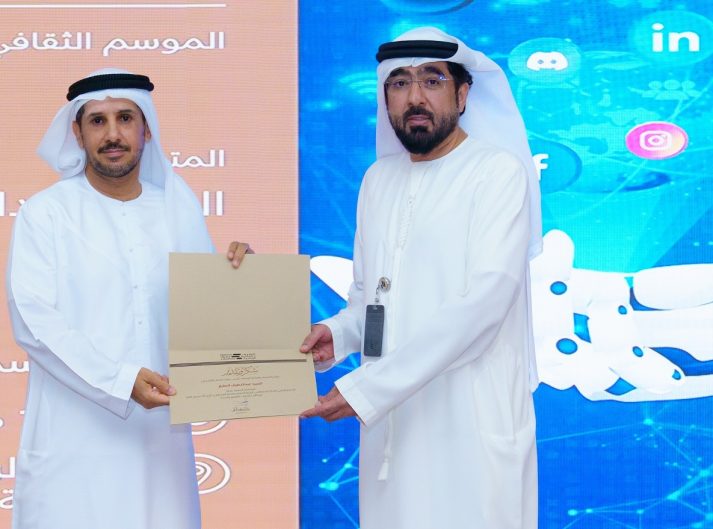
Recently, the National Library and Archives hosted a seminar titled “Digital Media and Artificial Intelligence: Archiving the Present and Shaping the Future”, which was the concluding event of its Cultural Season 2024. It focused on technological advancement as a crucial factor in fostering creativity and innovation within media and archiving. Additionally, it highlighted the vital role of AI in shaping the future of digital media, and the importance of media in recording, archiving, and ensuring the accessibility and preservation of past and present events for future generations. The seminar also examined advantages and disadvantages of AI in media archiving.
The seminar, presented by media pioneer Abdul Latif Al-Sayegh, emphasized the necessity for collaborative efforts between archives and digital media to effectively present, safeguard, and archive documented historical information. The speaker cautioned against allowing major corporations like Google and Meta, with their advanced technologies, to monopolize and control archives. He also urged attendees not to overly rely on the archival data these entities provide, despite their significant financial backing and influence.
The speaker pointed out that AI has begun to grasp human trends and needs, explaining that what appears on electronic search platforms is not by chance. He noted the crucial documentation done by large companies, such as Google Earth Legacy cameras, preserving cultural heritage and offering data which tracks global changes. He also mentioned Google Trends, which reveals public interests, and the remarkable services provided by “Chat GPT” that have become essential references for researchers across various disciplines.
The seminar reflected on the state of archives in the past, the tools once utilized, and the methods for regulating access to necessary documents, contrasting them with the current landscape where archives are readily accessible on media platforms. It addressed the most significant changes that have occurred, supported by examples from the collections of the British Library, the U.S. Library of Congress, and the BBC. It also spotlighted Google (knowledge archive), Meta (social life archive), and Twitter or (X) platform (real-time historical moments).
The seminar highlighted the vast potentials of large corporations that have not only developed communication platforms but have also created digital archives that aid in comprehending both the present and the future. These archives document life as it unfolds, analyse societal behaviours, and impact the evolution of human knowledge.
Furthermore, the symposium examined the effects of artificial intelligence on the creation of digital archives and the organization and categorization of extensive collections. It discussed the interdependent relationships between documenting current events and the global archives that documented history. This led to making everything available on major platforms including those interested in highlighting world cultural heritage.
The importance of government involvement in funding the digitization of archives was emphasized, alongside the encouragement of public participation, a focus on data protection, the documentation of cultural and national heritage, and the support of scientific research and knowledge advancement. The seminar also underscored future prospects for the relationship between digital media and the emerging archiving centres. It shed light on the development of robust national archiving platforms, the advantages of artificial intelligence tools and the benefits that AI offers in media archiving, such as restoring old audio recordings, enhancing images and videos, and recognizing ancient texts, as well as reviving historical figures.
Conversely, the seminar pointed out the drawbacks of utilizing artificial intelligence in media archiving, including the creation of fake videos, the alteration of historical images, misleading audio modifications, disinformation in research, and the fabrication of false historical events. In this respect, the national archives are held accountable for exposing such distortions and misinformation due to their detrimental effects.